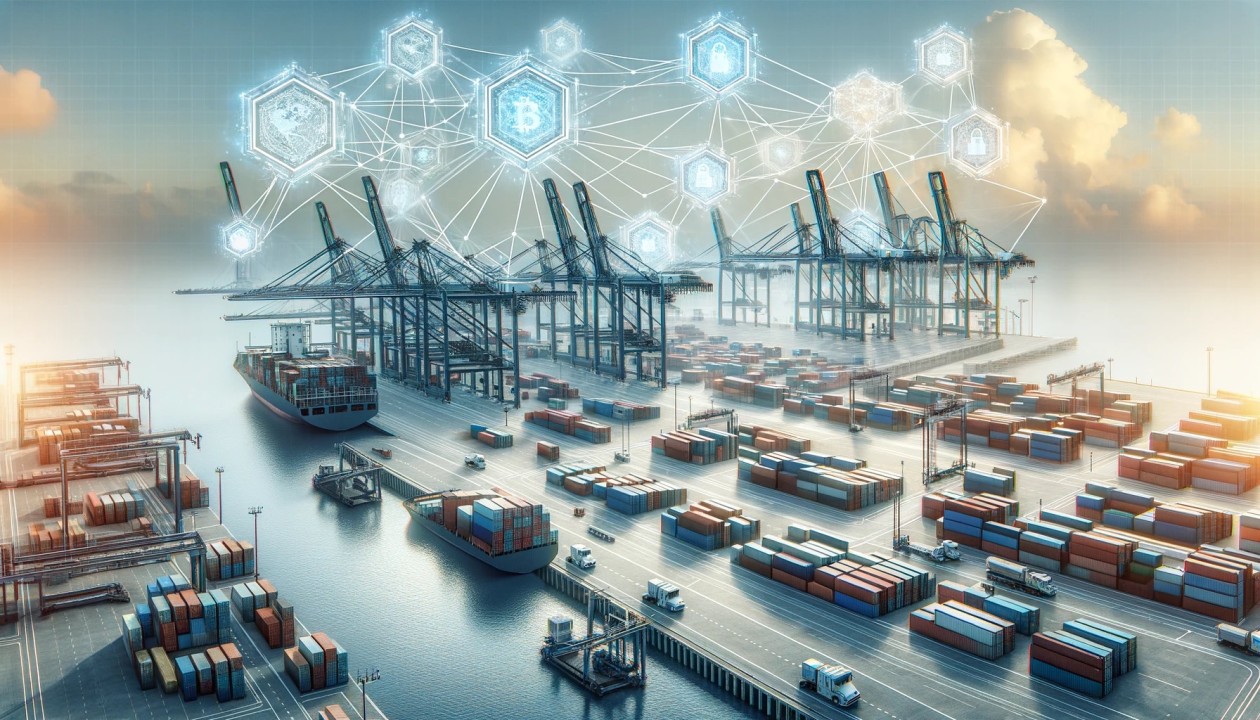
Discover how blockchain is reinventing supply chain management. Its role in enhancing transparency, streamlining operations, and driving sustainable practices in global commerce.
The Challenge of Modern Supply Chains
Modern supply chains are incredibly complex networks spanning multiple countries, involving numerous stakeholders, and handling millions of transactions daily. This complexity creates significant challenges: lack of visibility, difficulty verifying product authenticity, slow dispute resolution, and vulnerability to fraud and counterfeiting.
How Blockchain Transforms Supply Chains
Blockchain technology addresses these challenges by providing a shared, immutable ledger that all participants can trust. Every transaction, movement, and transformation of goods is recorded and cannot be altered, creating a complete and verifiable history of each product's journey.
Enhanced Transparency
With blockchain, all supply chain participants have access to the same information in real-time. This transparency eliminates information asymmetries, reduces disputes, and builds trust between parties who may not have established relationships.
Improved Traceability
Blockchain enables end-to-end traceability of products from raw materials to final delivery. This capability is especially valuable for industries where provenance matters—food safety, pharmaceuticals, luxury goods, and electronics. Consumers can verify the origin and journey of their purchases with a simple scan.
Streamlined Operations
Smart contracts automate many supply chain processes that traditionally required manual intervention. Payments can be automatically released when goods reach certain checkpoints, customs documentation can be verified instantly, and inventory can be automatically replenished based on predefined conditions.
Sustainability and Blockchain
Blockchain is becoming an essential tool for sustainable supply chains. It enables:
- Carbon Tracking: Recording and verifying carbon emissions at each stage of production
- Ethical Sourcing: Proving that materials come from ethical and legal sources
- Circular Economy: Tracking products through their entire lifecycle, including recycling
- Compliance: Demonstrating adherence to environmental and social regulations
Real-World Applications
Major companies are already leveraging blockchain for supply chain management:
- Walmart uses blockchain to track food products, reducing the time to trace produce from days to seconds
- De Beers tracks diamonds from mine to retail, ensuring conflict-free origins
- Maersk's TradeLens platform digitizes shipping documentation, reducing paperwork by 80%
- Pharmaceutical companies use blockchain to combat counterfeit drugs
The Future of Supply Chain
As blockchain technology matures and adoption increases, we can expect even more transformative changes. Integration with IoT devices will enable automatic recording of conditions during transport. AI will analyze blockchain data to optimize supply chain decisions. And consumers will increasingly demand the transparency that blockchain provides.
The supply chains of the future will be more transparent, efficient, and sustainable—and blockchain will be the foundation that makes it possible.