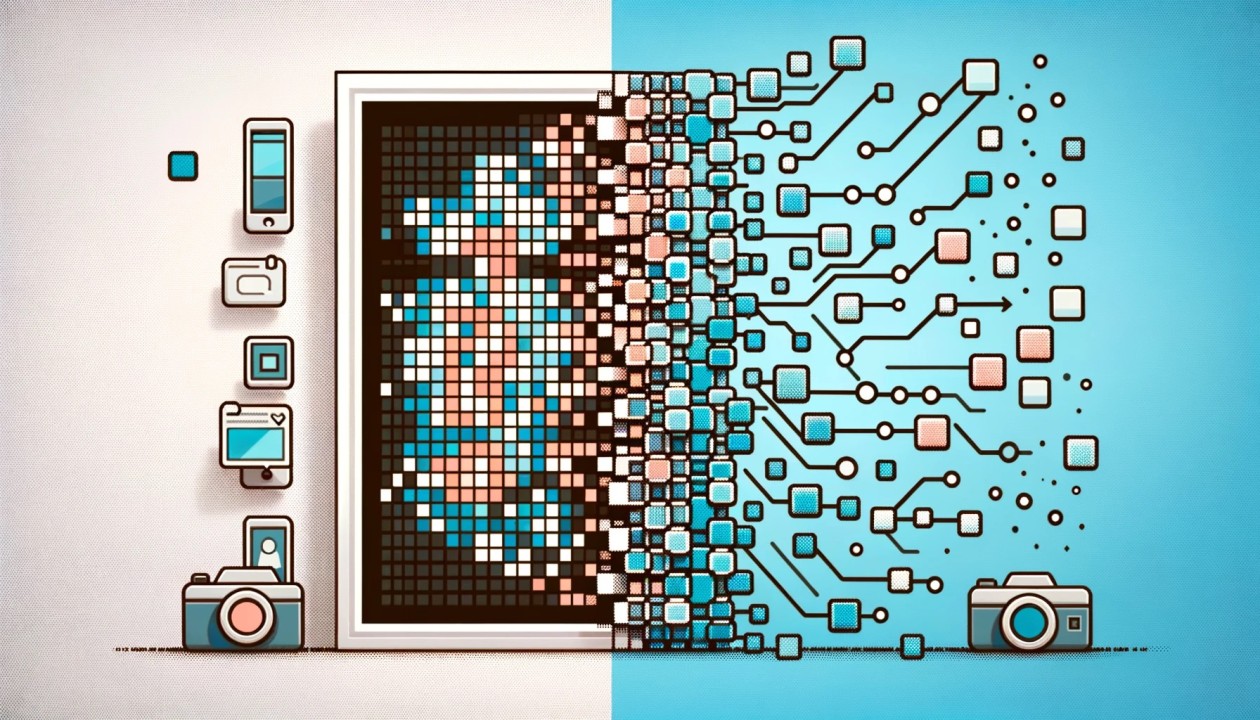
Diving into the world of deepfakes and misinformation: How AI and blockchain are vital in detecting and mitigating digital deception. Insights from MIT Media Lab and Facebook AI Research.
The Rise of Deepfakes
Deepfakes represent one of the most significant technological threats of our time. Using advanced AI techniques, particularly Generative Adversarial Networks (GANs), malicious actors can create hyper-realistic fake videos and audio that are increasingly difficult to distinguish from authentic content. This technology poses serious risks to individuals, organizations, and even democratic institutions.
The Scope of the Problem
The proliferation of deepfakes has accelerated dramatically. What once required significant computational resources and expertise can now be accomplished with consumer-grade hardware and freely available software. The implications are far-reaching:
- Political Manipulation: Fake videos of political figures spreading misinformation
- Financial Fraud: Impersonation of executives for fraudulent transactions
- Personal Attacks: Non-consensual intimate imagery and harassment
- Erosion of Trust: Undermining confidence in authentic media
AI-Powered Detection
Ironically, the same AI technology that creates deepfakes can also be used to detect them. Researchers at institutions like MIT Media Lab and Facebook AI Research have developed sophisticated detection algorithms that analyze videos for telltale signs of manipulation.
Detection techniques include:
- Facial Analysis: Detecting unnatural blinking patterns, facial expressions, or skin texture
- Audio Analysis: Identifying inconsistencies in voice patterns and lip synchronization
- Metadata Examination: Analyzing file metadata for signs of manipulation
- Neural Network Detection: Using AI to identify artifacts left by generative models
Blockchain for Media Authentication
While AI helps detect fake content, blockchain provides a mechanism for verifying authentic content. By creating immutable records of original media at the time of capture, blockchain can establish a chain of custody that proves content has not been altered.
Blockchain applications include:
- Content Provenance: Recording the origin and history of media files
- Digital Signatures: Cryptographically signing content at the source
- Decentralized Verification: Allowing anyone to verify authenticity
- Tamper Detection: Identifying any modifications to original content
A Combined Approach
The most effective defense against deepfakes combines both AI detection and blockchain verification. AI algorithms can flag potentially manipulated content, while blockchain records can confirm the authenticity of original media. This dual approach creates a robust defense against digital deception.
Looking Forward
As deepfake technology continues to evolve, so must our defenses. Ongoing research, collaboration between tech companies, and the development of industry standards will be essential in the fight against synthetic media. The goal is not just to detect deepfakes but to create an ecosystem where authentic content can be easily verified and trusted.