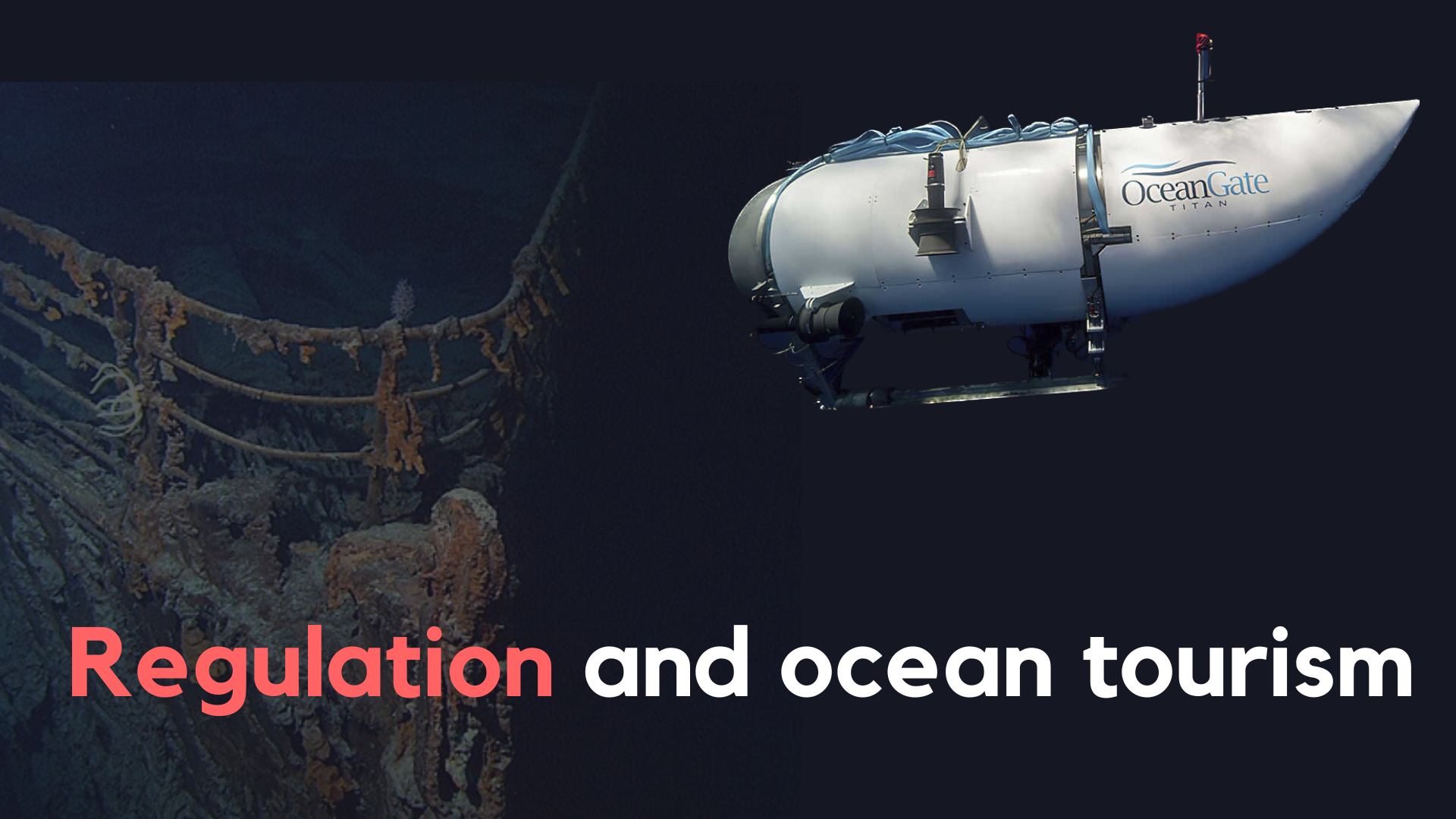
The article examines how the OceanGate "Titan" incident underscores regulatory gaps in emerging domains like deep-sea tourism. It explores how innovation can outpace oversight.
The Tragedy
In June 2023, the world watched in horror as the OceanGate Titan submersible, carrying five passengers to view the wreckage of the Titanic, lost contact and was later confirmed to have suffered a catastrophic implosion. This tragedy not only claimed five lives but also raised urgent questions about safety and regulation in emerging industries.
Deep-Sea Tourism: A New Frontier
Deep-sea tourism represents one of the last frontiers of human exploration. As technology advances, companies are offering experiences that were once the exclusive domain of scientific research vessels and military submarines. From viewing the Titanic wreckage to exploring hydrothermal vents, entrepreneurs are commercializing access to the deep ocean.
The Regulatory Gap
The OceanGate tragedy highlighted a significant gap in regulation. Unlike commercial aviation or even space tourism, deep-sea vehicles operating in international waters often fall outside the jurisdiction of national regulatory bodies. This creates a situation where innovation can proceed without the oversight that ensures passenger safety.
Key regulatory challenges include:
- International Waters: Activities in international waters are difficult to regulate by any single nation
- Novel Technology: Existing regulations may not apply to new types of vessels or operations
- Voluntary Standards: Industry standards often rely on voluntary compliance
- Limited Expertise: Few regulatory bodies have deep expertise in emerging domains
Innovation Outpacing Oversight
The OceanGate case illustrates a broader pattern: in many emerging industries, innovation moves faster than regulation. While this can enable rapid progress and entrepreneurship, it also creates risks when companies operate in potentially dangerous domains without adequate oversight.
OceanGate had explicitly rejected third-party safety certification, with its CEO arguing that the certification process was too slow and would stifle innovation. This philosophy proved fatal, raising questions about the appropriate balance between enabling innovation and ensuring safety.
Lessons for Other Industries
The implications extend beyond deep-sea tourism. Other emerging industries face similar regulatory challenges:
- Space Tourism: Commercial spaceflight is developing faster than regulatory frameworks
- Autonomous Vehicles: Self-driving cars operate in a patchwork of regulations
- Advanced AI: AI systems increasingly make decisions with significant consequences
- Cryptocurrency: Digital assets often exist in regulatory gray zones
Finding the Balance
The challenge for society is finding the right balance between enabling innovation and protecting people. Regulations that are too strict can stifle progress and push activities to less regulated jurisdictions. Regulations that are too lax can lead to preventable tragedies.
Potential approaches include:
- Developing international frameworks for activities in international domains
- Creating industry-led standards with meaningful enforcement mechanisms
- Requiring transparency about safety measures and risks
- Ensuring regulators have the expertise to understand emerging technologies
Conclusion
The OceanGate tragedy is a stark reminder of what can happen when innovation outpaces oversight. As we continue to push the boundaries of human exploration and experience, we must also develop regulatory frameworks that can keep pace—protecting lives without unnecessarily impeding progress. The five lives lost on the Titan should inspire a renewed commitment to safety in all emerging industries.